


Digital Marketing for Minnesota Businesses, Metro to Lake Country
Minnesota The North Star State
Minnesota rewards marketers who plan around long winters, a busy lake season and two new laws that changed how prices and data are handled.
Serving clients in every state from Lakewood Ranch, FL
Split Rock Lighthouse

5,830,405Residents (2025)
+2.2%Growth since 2020
$87,117Median household income
Photo: Luke Tanis on Unsplash
Marketing in Minnesota
Minnesota Digital Marketing Under New Privacy Rules
Minnesota is a family-heavy, well-educated market with a strong health care core. Twenty-two percent of residents are under 18, 40.0 percent of adults hold a bachelor's degree and median household income is $87,117. Health care and social assistance is the largest small-business employer at 225,087 workers, a reflection of Rochester, the Twin Cities hospital systems and clinics across the state.
Two recent laws matter for marketing. Since January 1, 2025, advertising a price that leaves out mandatory fees or surcharges is a deceptive trade practice, which affects restaurants, event venues, rental companies and ecommerce checkout pages. The Minnesota Consumer Data Privacy Act took effect July 31, 2025. It covers businesses handling data on 100,000 or more consumers, and it bars even SBA-defined small businesses from selling a consumer's sensitive data without prior consent.
Seasons shape demand. Visitors spent a record $14.7 billion in 2024, about $40.3 million a day, with lake resorts, the North Shore and Twin Cities events carrying much of it. Furnace, roofing, snow and auto services spike in winter. We approach Minnesota with all-in pricing on every ad and landing page, consent-aware data practices, and separate campaigns for the Twin Cities suburbs, Rochester, Duluth and the central lakes.
Peak season
Jun to Sep for lakes and tourism; Oct to Mar for heating, snow and auto
Resort, cabin and outdoor businesses see search demand and ad costs climb from late spring through Labor Day. Home services flip the pattern, with furnace and ice-dam searches spiking in the coldest months, so year-round contractors should shift budget by season rather than spending evenly.
Our MN footprint
We do not have a published Minnesota case study yet. Our team works remotely with businesses nationwide, and local SEO depends on your location and signals, not ours.
Leading industries
Health care and social assistance · Accommodation and food services · Manufacturing · Professional, scientific and technical services · Construction
Minnesota by the numbers
Who you are marketing to in Minnesota
U.S. Census Bureau Vintage 2025 population estimates and 2024 American Community Survey (1-year), plus state and SBA sources.
5,830,405
Residents, 2025 estimate (#22 of 50 states)
+2.2%
Population change, April 2020 to July 2025
-37,202
Net people moving in from other states, 2020 to 2025
39.2
Median age
$87,117
Median household income (2024)
71.6%
Households that own their home
$344,600
Median home value (2024)
40.0%
Adults 25+ with a bachelor's degree or higher
19.1%
Residents 65 and older
4.5%
Residents who speak Spanish at home
92.9%
Households with a broadband subscription
116,161
Seasonal or vacation homes (4.5% of housing)
560,428
Small businesses, employing 45.8% of workers (SBA 2022 (SBA 2025 profile))
81.6 million
Visitors (2024), spending $14.7 billion
Sources: U.S. Census Bureau, NST-EST2025 and ACS 2024 1-year tables B01002, B19013, B25003, B25077, B15003, C16001, B28002, B25004. Updated October 2026.
Things to know
What changes when you market in Minnesota
Five patterns we plan campaigns around, each backed by a published figure.
Jan 1, 2025
effective date of Minn. Stat. 325D.44, subd. 1a [5]
Show the full price up front
Minnesota's junk fee law makes it a deceptive practice to advertise a price that excludes mandatory fees or surcharges, with narrow exceptions such as government taxes and actual shipping. Ads, menus, booking pages and product listings should show the all-in price.
100,000
consumers that trigger the privacy act's main threshold (2025) [4]
Know where the privacy act starts
The Minnesota Consumer Data Privacy Act applies at 100,000 consumers, or 25,000 if a business earns more than a quarter of revenue from selling data. Smaller businesses are mostly exempt but still cannot sell sensitive data without consent, which matters for health, legal and financial lead lists.
225,087
small-business health care employees (2022) [2]
Reach health care searchers carefully
Health care is Minnesota's largest small-business employer. Clinics, dental offices and therapy practices should invest in provider bios, location pages and review management, and keep sensitive health data out of ad platforms.
$14.7B
visitor spending, 2024 [3]
Plan around record visitor spending
Visitors spent an average of $40.3 million a day in Minnesota in 2024. Resorts, outfitters, breweries and restaurants should target trip planners in spring, then run near-me search campaigns while visitors are in town.
22.0%
residents under 18 (2024 ACS) [1]
Speak to families
With 22.0 percent of residents under 18, many Minnesota buyers are parents comparing schools, pediatric care, youth sports, home space and family vehicles. Family-focused creative and weekend scheduling options tend to perform well in growing suburbs like Woodbury, Lakeville and Maple Grove.
Want this mapped to your business?
We will look at your market, competitors, and search demand in Minnesota and send a plan within 1 business day.
Services
How we tune each service for Minnesota
Same team and tools everywhere. What changes is the calendar, the rules, and the searches people in Minnesota actually type.
SEO
A single Twin Cities page rarely ranks from downtown Minneapolis to Woodbury and Maple Grove, so we build separate city pages for each suburb in your service area.
Google Business Profile
Minnesota's junk fee law requires advertised prices to include mandatory fees, so menus, booking links and product listings on Google profiles show the full all-in price.
Google Ads & PPC
Furnace and ice dam searches spike in the coldest months while cabin and resort demand peaks June to September, so Minnesota budgets shift by season instead of spending evenly.
Website design
Health care is Minnesota's largest small business employer, so clinic and dental sites get provider bios and location pages while sensitive health data stays out of ad platform tags.
Social media
With 22.0% of Minnesotans under 18, family-focused creative and weekend scheduling offers reach parents in growing suburbs like Woodbury, Lakeville and Maple Grove.
Reputation management
In outstate towns like Mankato, Willmar and Marshall, one well-reviewed contractor or dealer can own local search, so review requests go out after every completed job.
Regions
Minnesota is several markets, not one
Twin Cities Metro
Minneapolis, St. Paul, Bloomington, Brooklyn Park, Woodbury, Lakeville, Plymouth, Blaine, Maple Grove, Eagan
The state's economic center, with a dense core and fast-growing suburbs where most of Minnesota's competition for local search sits.
How we adjust: Target suburbs individually and build city pages for each service area, since a single Twin Cities page rarely ranks across both downtowns and outer suburbs.
Rochester and Southeast Minnesota
Rochester, Winona, Red Wing, Austin
A health care-driven economy with many visiting patients and families in addition to residents.
How we adjust: Serve out-of-town patients and families with lodging, dining and transportation content, and target searches from neighboring states.
Duluth, the North Shore and the Arrowhead
Duluth, Two Harbors, Grand Marais, Ely
A port city and a scenic corridor that draw heavy summer and fall visitor traffic.
How we adjust: Push travel-intent campaigns into the Twin Cities before summer and fall weekends, and keep listings current for seasonal hours.
Central Lakes and St. Cloud
St. Cloud, Brainerd, Baxter, Alexandria
Cabin country and a regional retail hub where lake owners and resort guests drive seasonal demand.
How we adjust: Target metro-based cabin owners for dock, boat, septic and property services in spring and fall.
Southern and Western Minnesota
Mankato, Marshall, Willmar, Moorhead
Agricultural and small-city markets where dealers and contractors serve wide rural areas.
How we adjust: Use wide radiuses, farm and equipment-specific messaging, and call-focused ads.
Big metros vs. small towns
Minneapolis and St. Paul together hold 736,008 people, about 12.6 percent of the state, but the surrounding suburbs push the metro's share of Minnesota much higher and keep click costs elevated there. Outstate Minnesota is made up of small cities and farm towns where one well-reviewed contractor or dealer can own local search.
Cities we serve
Minnesota cities and towns
Largest incorporated places, U.S. Census Bureau Vintage 2025 estimates.
Minneapolis
430,324 residents
St. Paul
306,684 residents
Rochester
124,292 residents
Bloomington
89,034 residents
Duluth
88,330 residents
Brooklyn Park
83,543 residents
Woodbury
81,558 residents
Lakeville
79,270 residents
Not on the list? We work with businesses in every Minnesota community, including unincorporated areas and small towns. Tell us where you are →
Neighboring states
Rules and regulations
Minnesota laws that shape your ads, texts, and website
Current as of October 2026. This is general information, not legal advice; confirm specifics with your attorney.
Minnesota Consumer Data Privacy Act (MCDPA)
Minn. Stat. 325M.10 to 325M.21 · July 31, 2025
Applies to businesses that process personal data of 100,000 or more consumers, or 25,000 or more while earning over 25 percent of revenue from selling data. SBA-defined small businesses are excluded but must not sell a consumer's sensitive data without prior consent.
What it means for your marketing: Larger advertisers need consumer rights processes and opt-outs for targeted advertising, and every business should keep health and other sensitive data out of purchased or shared lists.
Minnesota junk fee (all-in pricing) law
Minn. Stat. 325D.44, subd. 1a (2024 Minn. Laws ch. 111) · January 1, 2025
It is a deceptive trade practice to advertise, display or offer a price that does not include all mandatory fees or surcharges. Government taxes and actual shipping charges are allowed, motor vehicle dealer fees authorized by law are exempt, and food and beverage businesses must disclose any automatic gratuity percentage.
What it means for your marketing: Restaurants, venues, rental and ecommerce businesses need ads and landing pages that show the full price rather than adding fees at checkout.
Credentials
No state license is required to run digital marketing in Minnesota.
The credentials that matter are the ad platforms' own. We build Minnesota campaigns to the disclosure and consent rules above.
Proof
Results that reach Minnesota customers
Only clients located in this state are shown as local. Everything else is labeled national.
National results
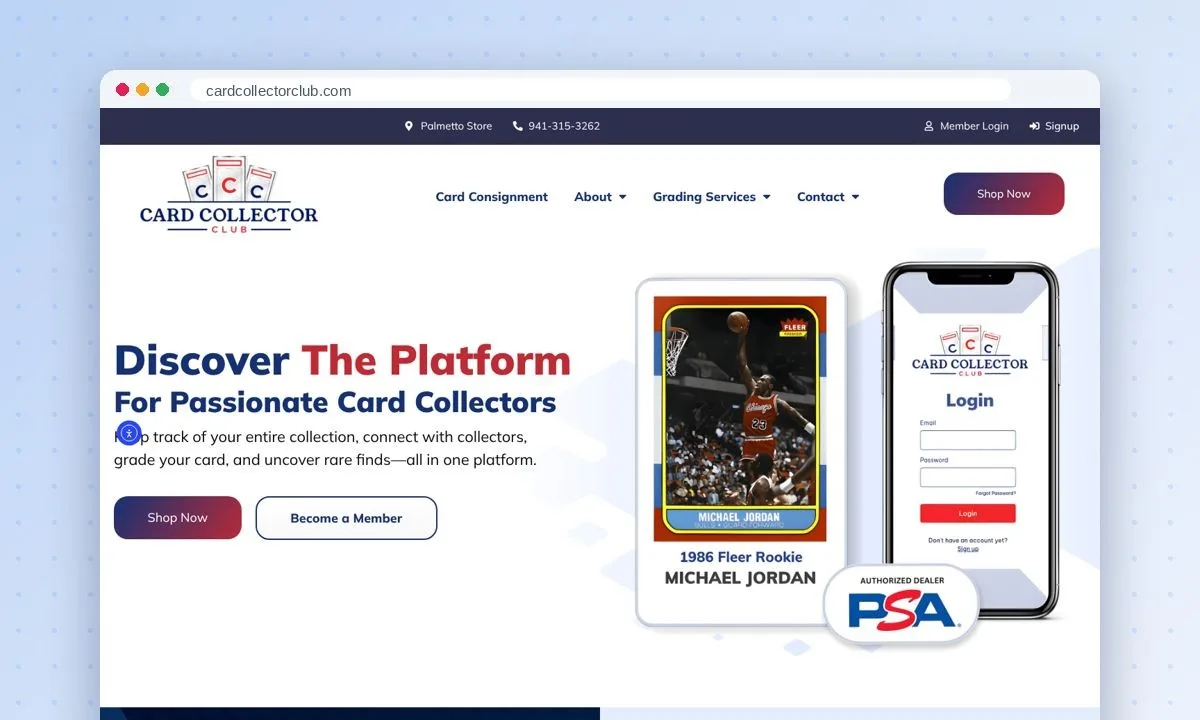
We have not published a Minnesota case study yet, so here is national work that reaches Minnesota customers every day.


Sources
- U.S. Census Bureau, Vintage 2025 population estimates and 2024 ACS 1-year estimates
- SBA Office of Advocacy, 2025 Small Business Profile: Minnesota
- Explore Minnesota, Continued Tourism Growth in 2024
- Minnesota Statutes 325M.12 (privacy act applicability)
- Minnesota Session Laws 2024, chapter 111 (junk fee law)
- Minnesota Statutes 325D.44 (deceptive trade practices)
- Minnesota Statutes 325M.17 (small business sensitive data)
- U.S. Census Bureau, Vintage 2025 population estimates and 2024 ACS 1-year estimates
- U.S. Census Bureau, American Community Survey 2024 1-year estimates
Let's grow your Minnesota business.
Free evaluation within 1 business day. No contracts to start.